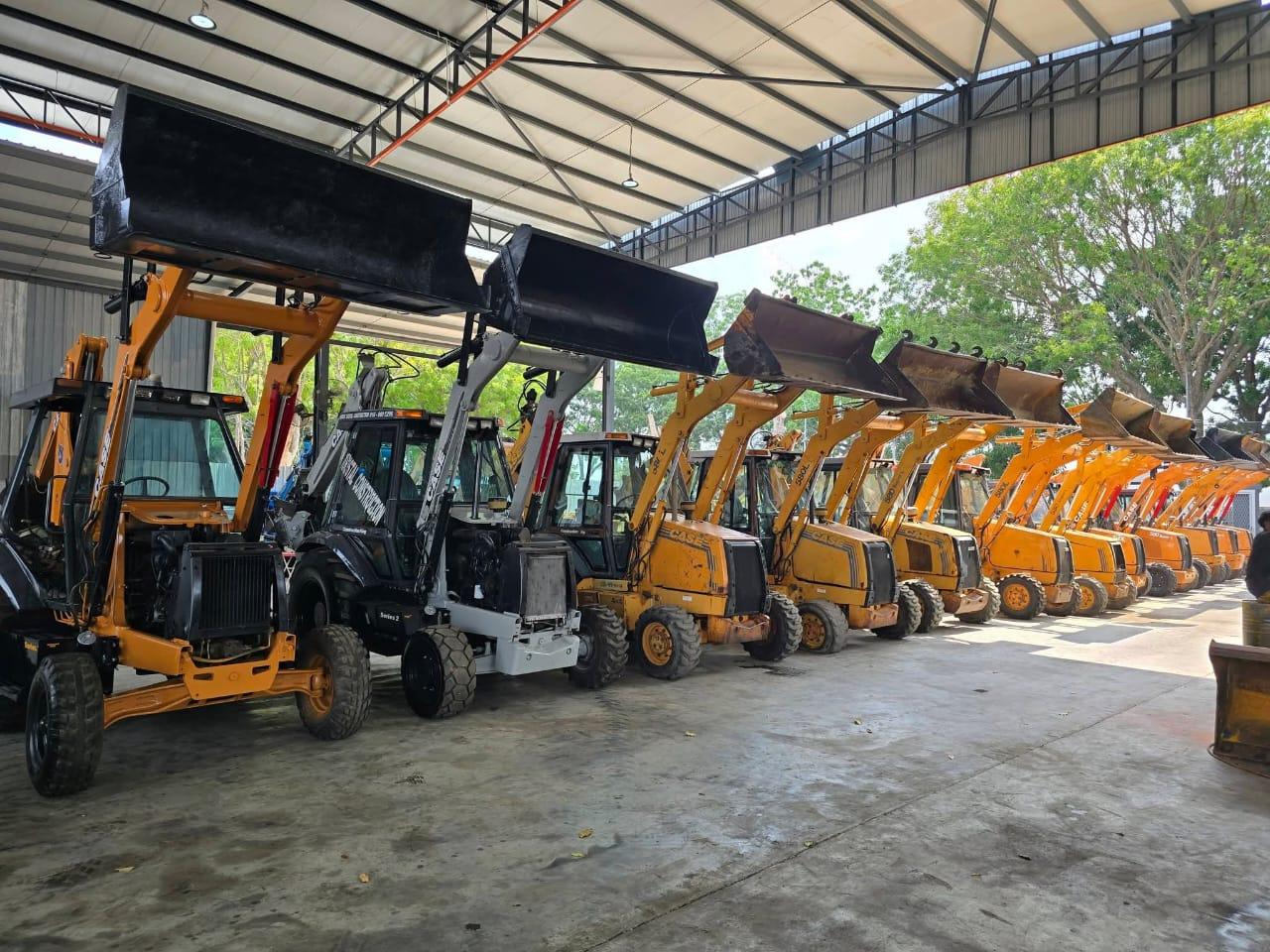
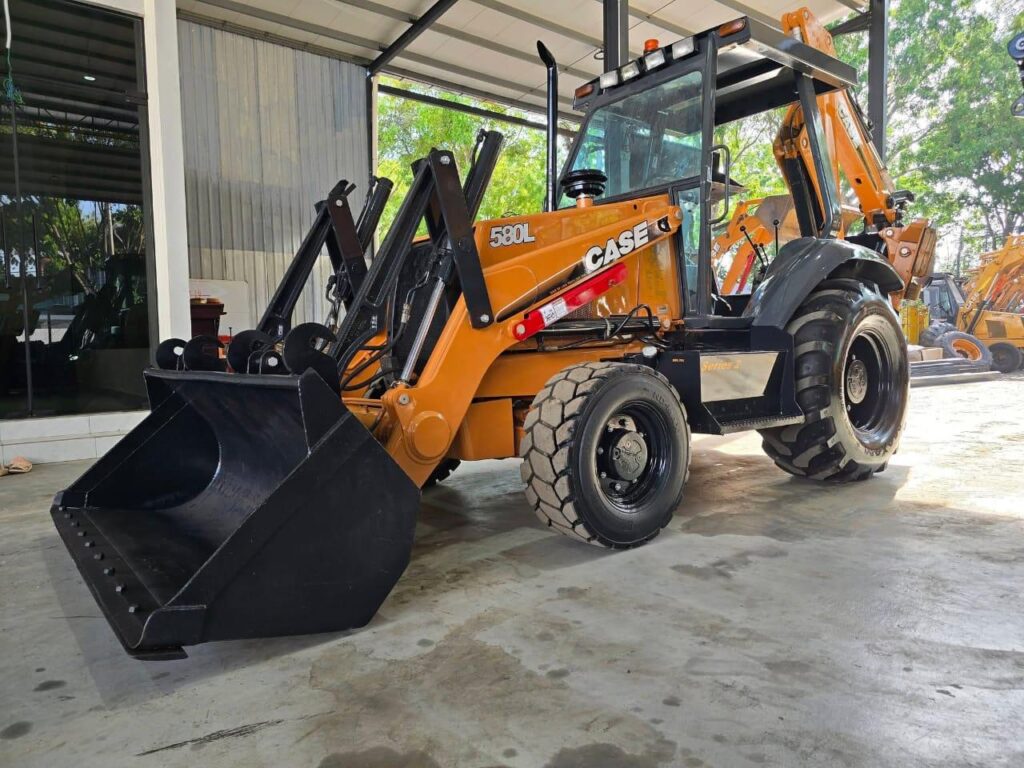
BACKHOE RENTAL PER DAY
Including Backhoe Operator. 8am to 5pm
RM 780 / PER DAY
BACKHOE RENTAL WEEKLY PACKAGE
Including Backhoe Operator. 8am to 5pm
RM 700 / DAILY WEEKLY RENTAL

COST EFFECTIVE

PROFESSIONAL BACKHOE OPERATOR

24/7 SUPPORT WHEN TIMING MATTERS

SCHEDULING THAT FITS YOUR SITE TIMING
10-YEARS OF EXPERIENCE
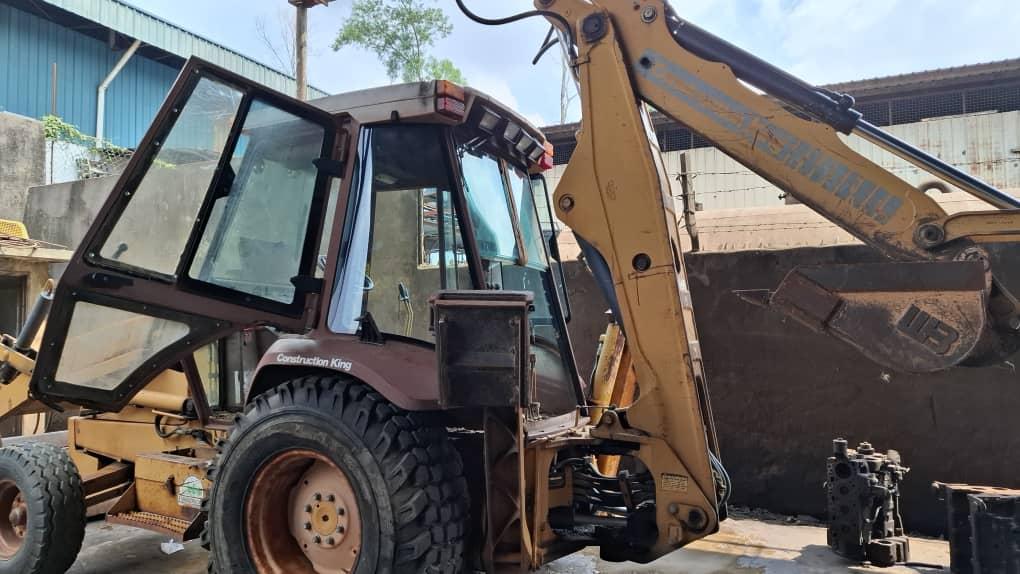
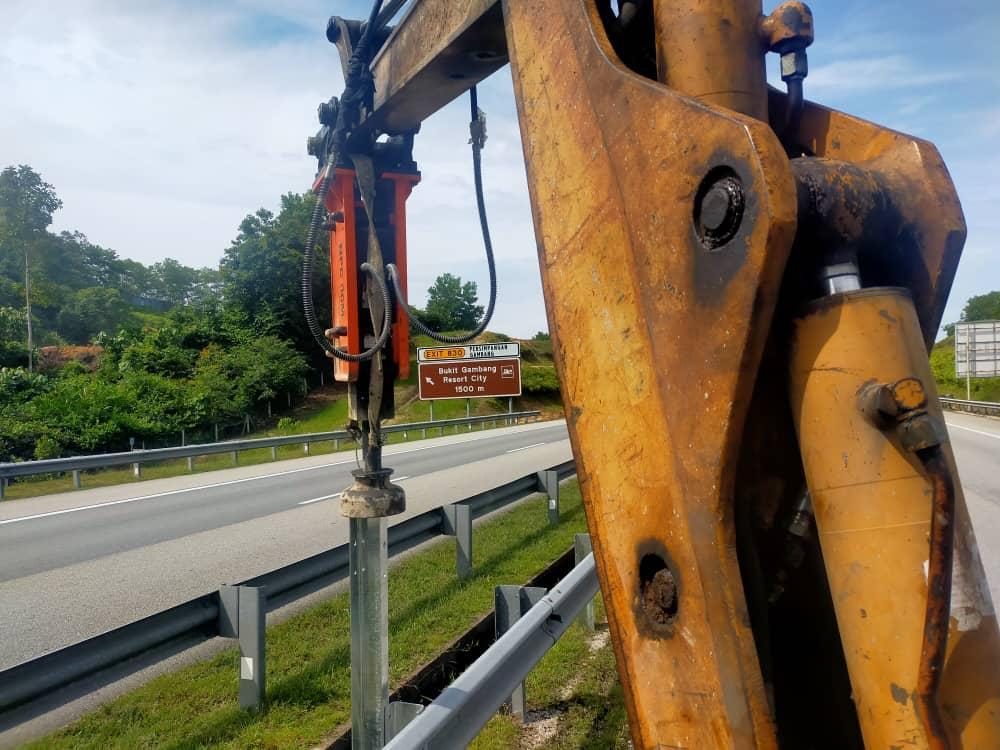
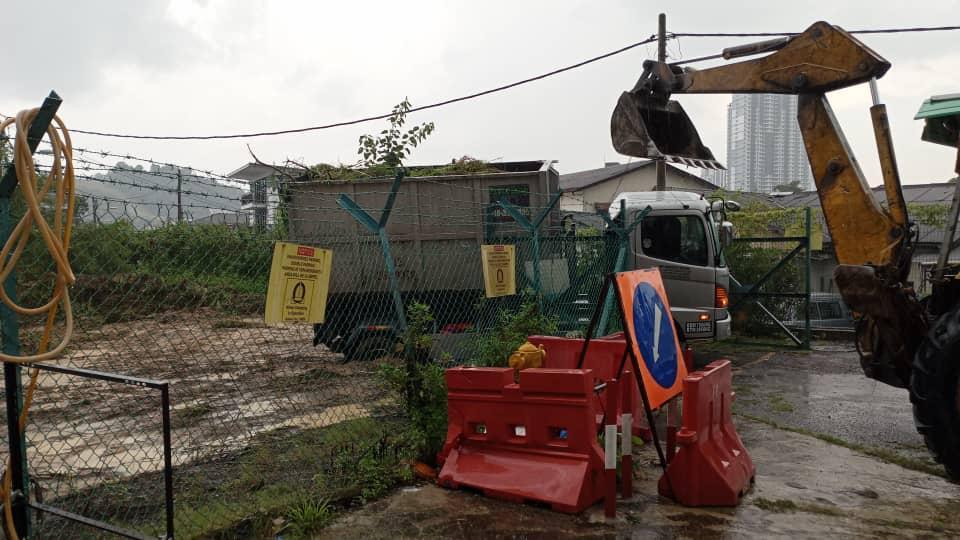
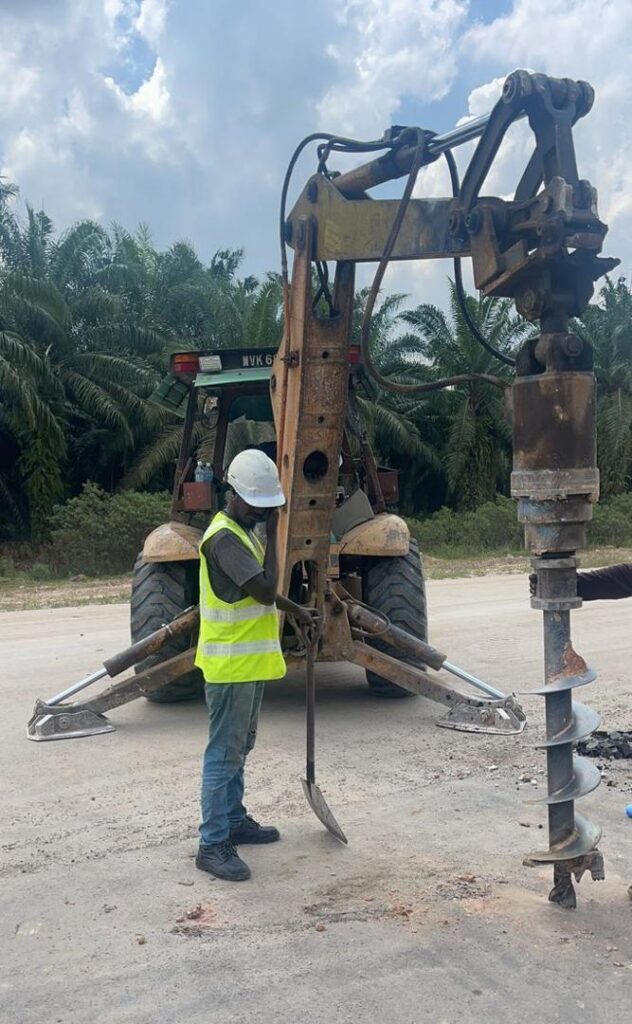
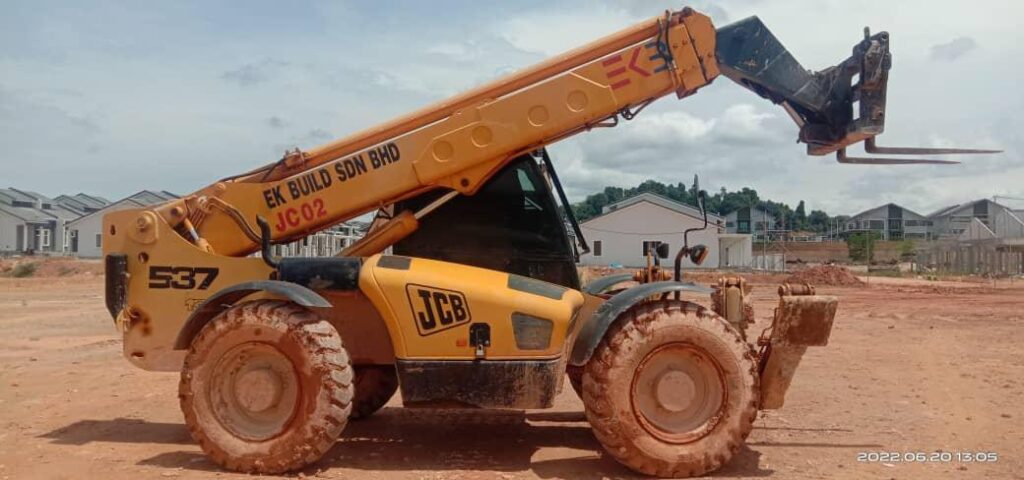
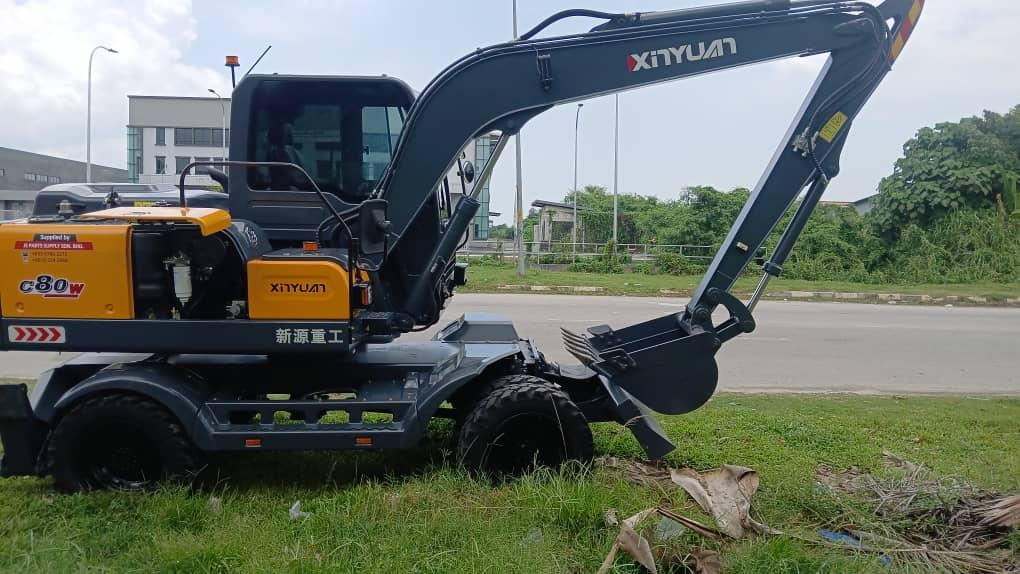
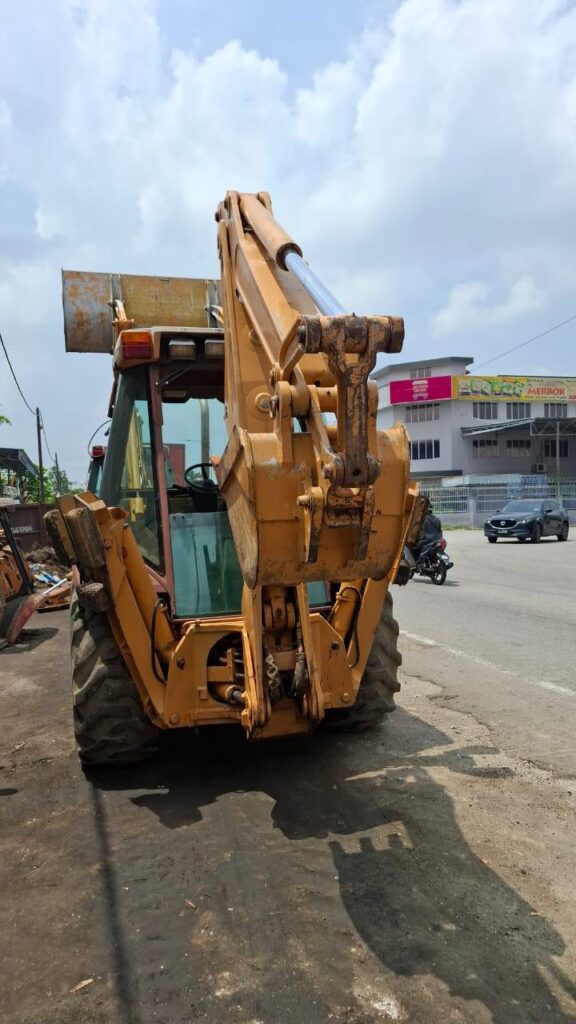
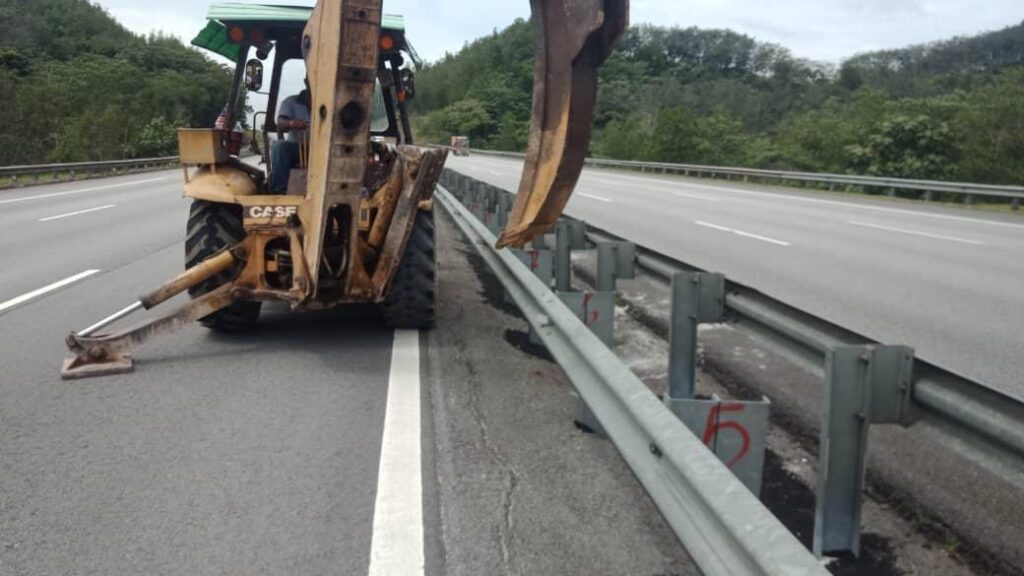
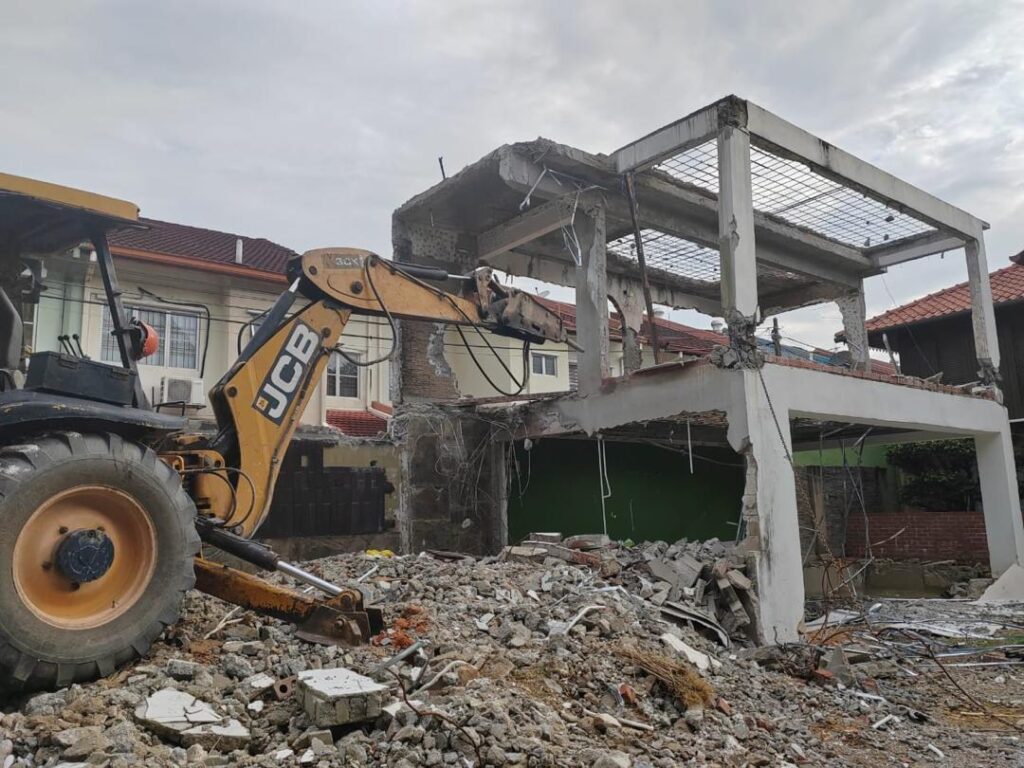
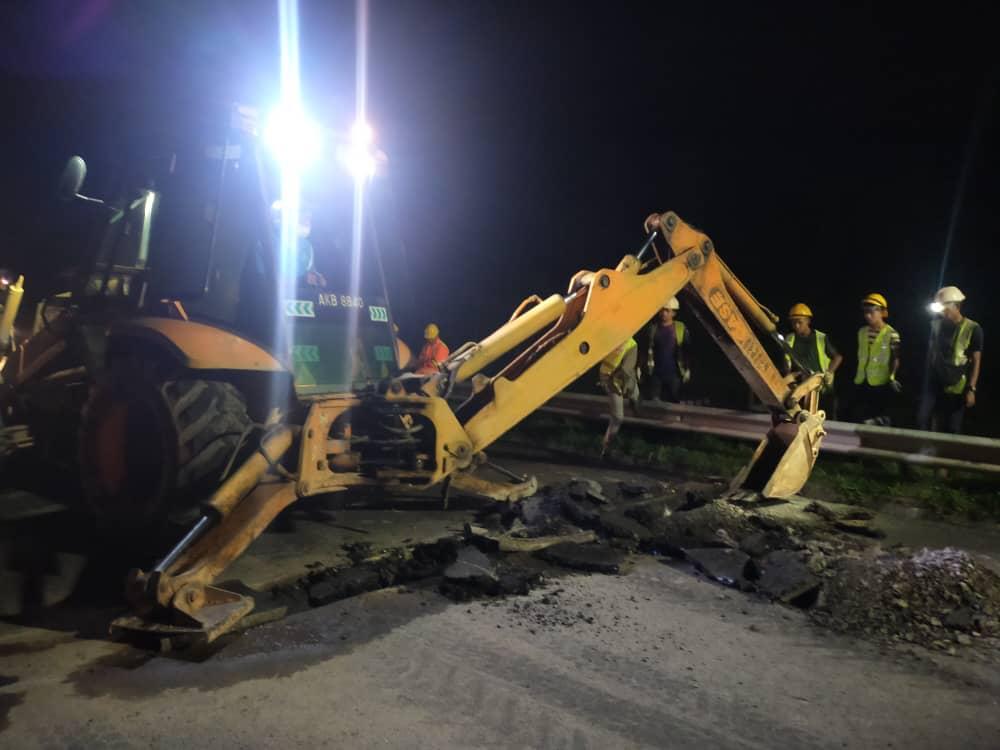
Backhoe Rental Kuching
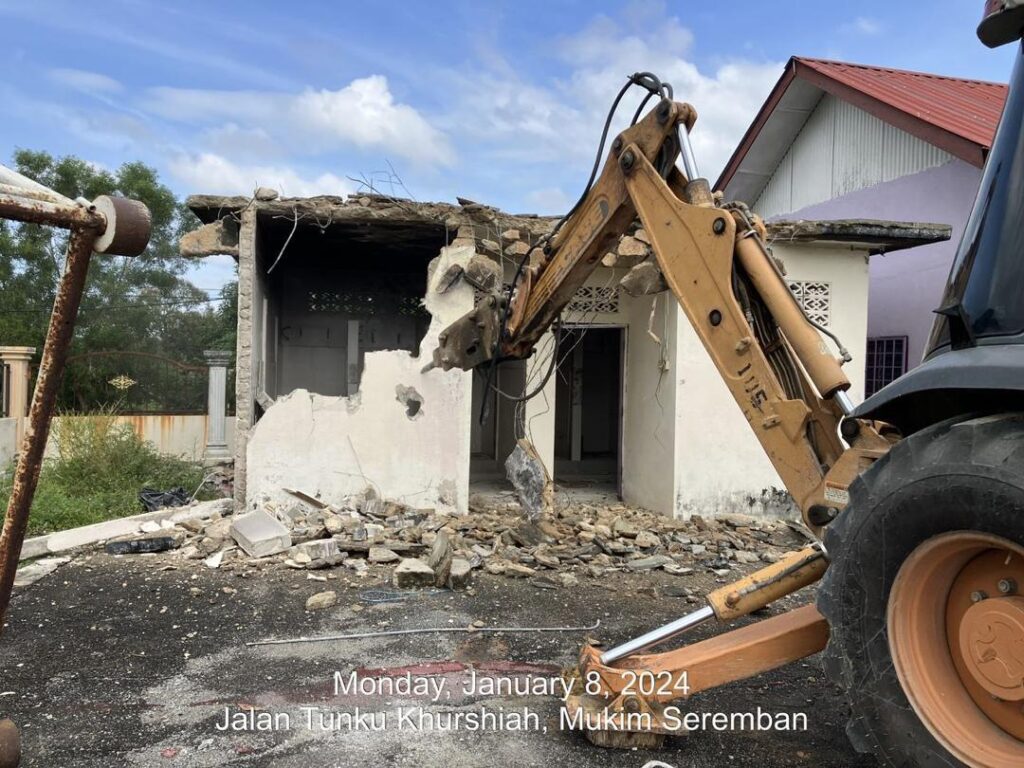
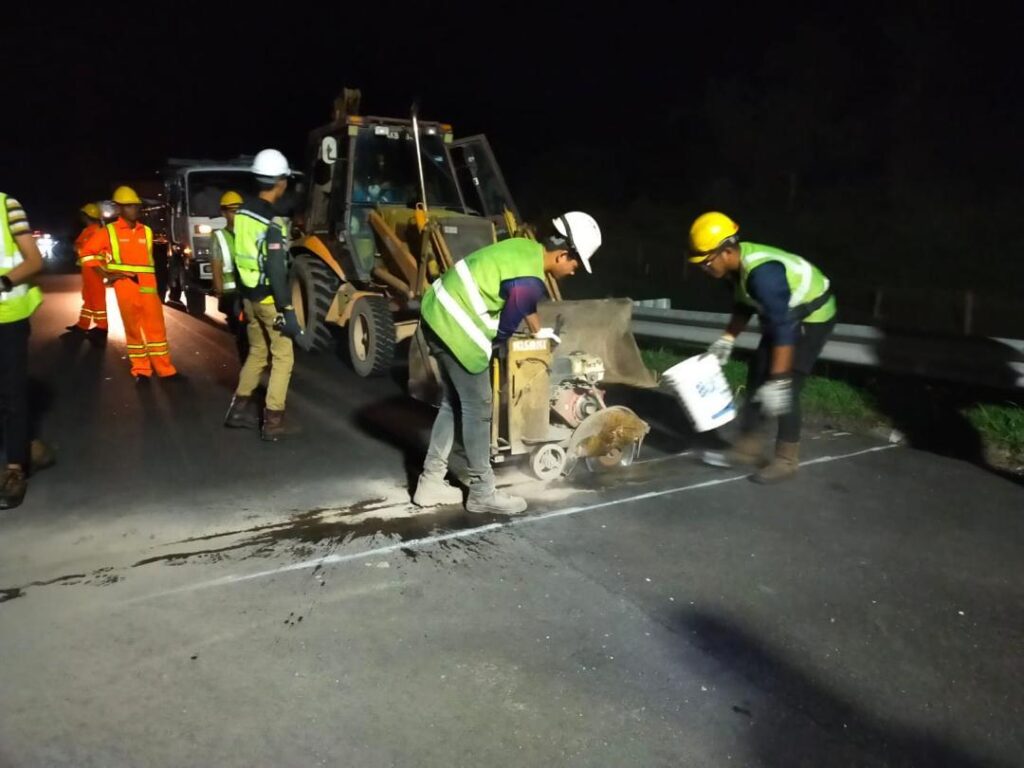
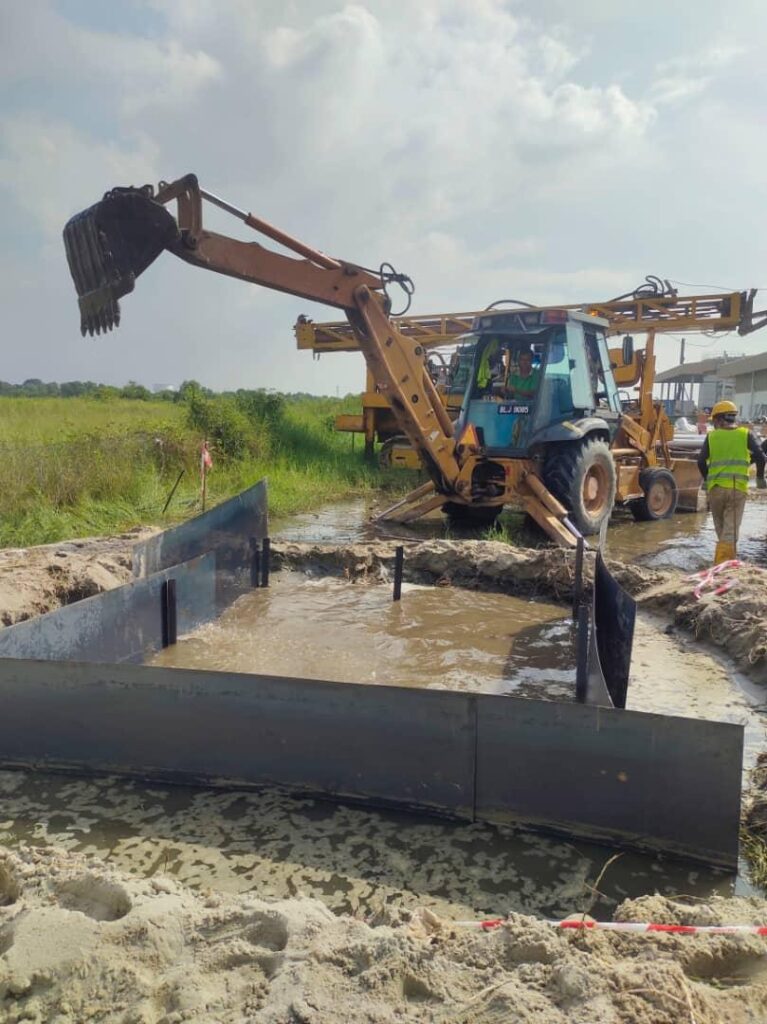
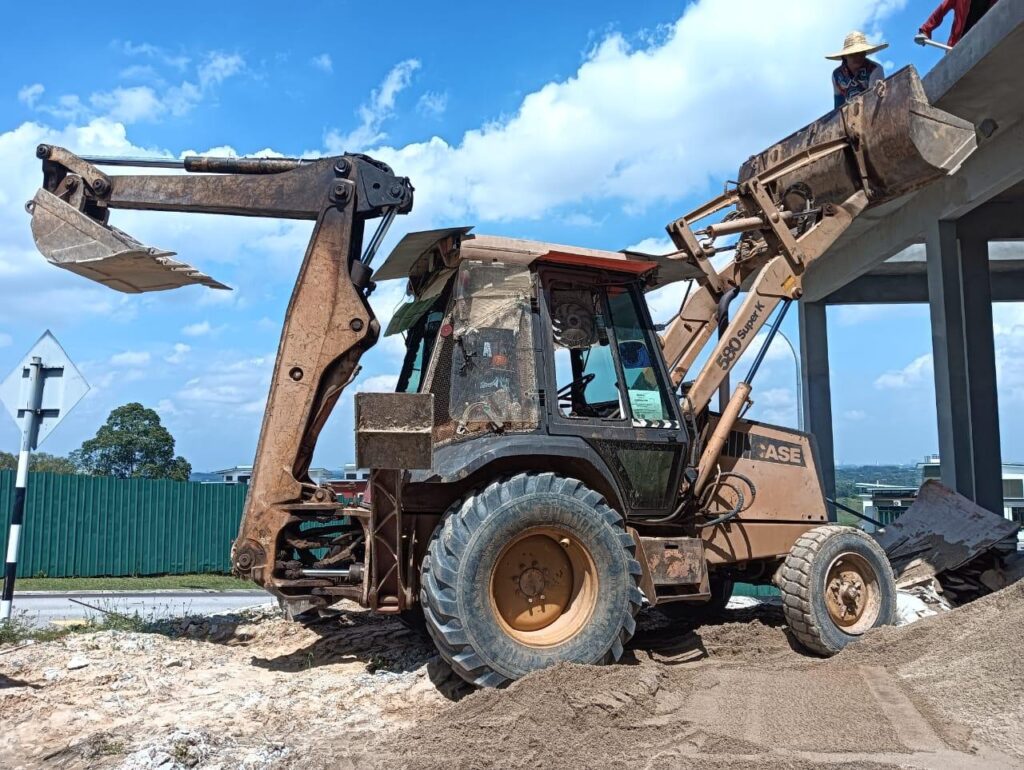
Jobs in Pending and Tabuan Jaya often don’t stop because of size — they stop because something is in the way. Waterlogged ground in Matang turns simple digging into slow, messy work. Broken slab pieces and mixed rubble in older plots block site prep before rebuilding can even begin. Trench spoil left in the wrong place in Petra Jaya delays the next stage completely. Overgrowth and roots in Siburan look manageable at first, then slow everything once manual clearing hits resistance. Uneven fill with buried hard material causes repeated rework instead of progress.
Most requests start as “just need a backhoe,” but the real issue is what’s holding the job up. One drainage job in Petra Jaya sounds like trenching — but the delay is spoil sitting where reinstatement needs to happen. That’s where the machine is actually needed.
The difference here is simple: match the machine to what is holding the job up. In Kuching, many jobs are multi-bottleneck-heavy — one blockage often hides several linked slowdowns behind it.
If your work has slowed, stalled, or keeps restarting, the issue is usually not effort — it’s what hasn’t been cleared, shifted, or opened yet.
What Is Actually Holding the Site Up?
- Spoil piling too close to active work zones, stopping next-stage tasks
- Mixed rubble and concrete fragments slowing manual cleanup
- Roots and overgrowth turning clearing into stop-start work
- Uneven ground with buried debris preventing leveling
- Partially cleared lots where progress drops after initial removal
- Loose soil and broken material making manual handling inefficient
- Drainage work blocked by displaced excavated material
- Layered waste on redevelopment plots causing workflow congestion
Do this: Identify the single blockage that is stopping the next stage
Avoid this: Treating the job as “general clearing” without isolating the real hold-up
What Is Backhoe Rental (And What It Isn’t)?
Backhoe rental in Kuching is not about digging everything from scratch. It is about removing what is slowing or blocking the job so work can move again.
Used correctly, it handles:
- Breaking up and shifting rubble
- Clearing spoil that blocks follow-up work
- Opening ground where manual work slows down
- Moving material out of active work paths
It is not: - A full-site solution for every stage of construction
- A replacement for all follow-on trades
- A one-size-fits-all clearing method
The machine is there to unlock progress, not just move soil.
Booking Process (How It Works)
- Share what is currently slowing or blocking your site
- Clarify whether the issue is spoil, rubble, trenching, or clearing
- Match the machine to the actual blockage
- Schedule based on job readiness and workflow stage
- Machine clears the bottleneck so the next stage can proceed
You can confirm availability and timing once the real job blockage is clear.
One Site, Multiple Hold-Ups: Where the Booking Widens
- A clearing job reveals buried rubble that needs breakup
- Drainage work exposes spoil misplacement blocking reinstatement
- Partial demolition leaves mixed debris slowing site prep
- Small plots where one blocked zone delays all linked tasks
- Layered soil and waste requiring staged removal
- Manual clearing slows sharply once heavier material appears
Do this: Plan for linked blockages once the first one is removed
Avoid this: Assuming the first issue is the only issue on site
What’s Included / Not Included
Included
- Backhoe work focused on the confirmed site slowdown
- Digging, clearing, shifting, or opening blocked sections
- Handling material that is stopping workflow progress
Not Included
- Work outside the identified blockage scope
- Follow-on construction or finishing tasks
- Additional site ambitions beyond the confirmed problem
Typical Timeline & What Affects It
Some jobs move quickly once the main blockage is cleared, while others expand as hidden issues surface.
Factors include:
- Type of material, such as loose soil versus mixed rubble
- Depth and spread of the blockage
- Whether multiple slow points are linked
- Site readiness and sequencing
What changes the plan: when the actual blockage is wider than expected or involves mixed materials, the machine role expands beyond the original request.
Cost Drivers
- Type of blockage, such as spoil, rubble, roots, or mixed waste
- Volume and spread of material
- Whether the job widens after first clearing
- Site condition and work sequence
- Time needed to clear the actual bottleneck
- Coordination with next-stage work
- Location factors in Kuching, such as soil condition in Matang and mixed debris in Pending
- Machine type required
What a Fair Quote Should Include
- Clear identification of the main blockage
- Scope of machine work required
- Estimated working duration
- Type of material to be handled
- Whether breakup is needed
- Expected workflow outcome
- Coordination with next-stage work
- Any site condition considerations
- Adjustment logic if scope widens
- Clarity on what is not included
Local Notes for Kuching
In areas like Batu Kawa and Matang, soft ground after wet conditions often slows site prep more than expected. Jobs that begin as simple clearing quickly turn into spoil management problems when material cannot be shifted efficiently. In Pending and Tabuan Jaya, redevelopment plots commonly hide broken slabs, old footing remains, and mixed debris, which slows progress once manual clearing reaches its limit.
Drainage work in Petra Jaya and Samarahan frequently stalls not because of digging difficulty, but because excavated material is left where follow-up work needs to happen. In Siburan and Santubong, overgrowth and roots delay clearing stages once initial cutting is done. Compact plots across Stampin and Kota Sentosa often experience workflow congestion where one blocked section delays multiple tasks.
The approach here stays consistent: match the machine to what is holding the job up. With multi-bottleneck-heavy sites, removing one issue often reveals the next, which is why clarity matters early.
Two common patterns:
- A small clearing job expands once buried debris appears
- A trenching job stalls because spoil placement blocks reinstatement
How to avoid delays: identify the exact material or blockage stopping progress before booking the machine.
Common Local Scenarios (Residential / Land / Drainage / Shoplot)
Residential Site in Tabuan Jaya or BDC
Manual clearing slows when mixed rubble appears under surface layers. The machine is needed to break and shift material so footing work can start.
What changes the plan: when buried debris spreads wider than expected.
Risk control: confirm what lies below surface level before clearing continues.
Land Clearing in Siburan or Santubong
Overgrowth and roots look manageable until manual work hits resistance and slows significantly. The machine opens and clears the area quickly.
What changes the plan: when uneven ground and hidden waste appear.
Risk control: identify root density and material mix early.
Drainage Work in Petra Jaya or Samarahan
Spoil placement blocks reinstatement work even after trenching is done. The machine shifts material away from active zones.
What changes the plan: when spoil volume is larger than expected.
Risk control: plan spoil positioning before digging begins.
Shoplot Cleanup in Satok or Kenyalang
Debris removal turns into breakup work once hard base layers are exposed. Manual removal slows heavily.
What changes the plan: when underlying material requires machine breakup.
Risk control: check for hard layers before clearing starts.
FAQ BACKHOE RENTAL KUCHING
In Kuching areas like Pending, Batu Kawa, and Tabuan Jaya, the issue is often mixed material, old slab pieces, wet spoil, or buried rubble. Once the machine starts clearing, the real blockage may be wider than expected. Explain what is currently slowing or blocking the work.
Yes, especially when soft ground makes manual site prep slow and messy. The machine helps shift spoil and open the work area so the next stage can continue. State whether the main problem is spoil, rubble, trenching, loading, or site clearing.
Yes, if broken slabs, footing remains, or mixed rubble are stopping site prep. This is common on older renovation or rebuild plots where manual cleanup becomes too slow. WhatsApp or call once you know what material is blocking the job.
The delay is often not just trenching. Spoil left too close to the work area can block reinstatement, pipe work, or follow-up repair. Confirm which part of the job is stopping the next stage.
Yes, especially when overgrowth, roots, loose waste, and uneven material are slowing the job. A backhoe can help open the area and reduce the manual workload. Describe the material that needs to be moved, reduced, opened, or cleared.
Yes, if the blockage is heavy enough to slow manual work. Compact sites can still be multi-bottleneck-heavy when rubble, spoil, and broken material affect the same work zone. Explain what the machine needs to open, shift, or clear to get the work moving.
That usually means the booking should be matched to the actual bottleneck, not just the surface request. Mixed conditions can change the work from simple clearing into staged shifting, breakup, or leveling support. WhatsApp or call to clarify the job scope.
Sometimes, especially when debris removal exposes a hard base layer, compacted material, or heavier rubble. The machine is useful when manual clearing slows after the first layer is removed. Match the booking to the real blockage on site.
Yes, if old slab pieces, buried debris, or uneven fill are blocking preparation work. The goal is to clear what is stopping the next contractor from starting. Share what is currently holding the site up.
Trenching can stall when the excavated spoil is sitting where follow-up work needs space. This happens on drainage jobs where the next stage depends on cleaner working space. Clarify the real bottleneck before choosing the machine.
It depends on what is blocking the work and how much material must be shifted. Smaller machines may suit lighter or tighter jobs, but the real decision should follow the material and bottleneck first. WhatsApp or call to check the right machine fit.
Coverage may be possible depending on schedule, site condition, and machine availability. For outer areas, the job scope should be clear so the booking matches the real blockage. Coverage depends on schedule and site condition.
Share the area, site type, material involved, and what part of the work is currently stuck. For example, mention if it is wet spoil in Matang, rubble in Pending, drainage work in Petra Jaya, or land clearing in Siburan. WhatsApp or call with the basic site details.
Sometimes yes, especially on multi-bottleneck-heavy Kuching sites where one issue leads into another. The key is to identify the first blockage and what must move next. Explain what is currently slowing or blocking the work.
Short machine time can still be useful if one blocked section is delaying the whole workflow. Small jobs often need the machine to clear one heavy point before manual work or follow-on trades can continue. WhatsApp or call if the blockage is already clear.